How do you spot an imported car in the UK?
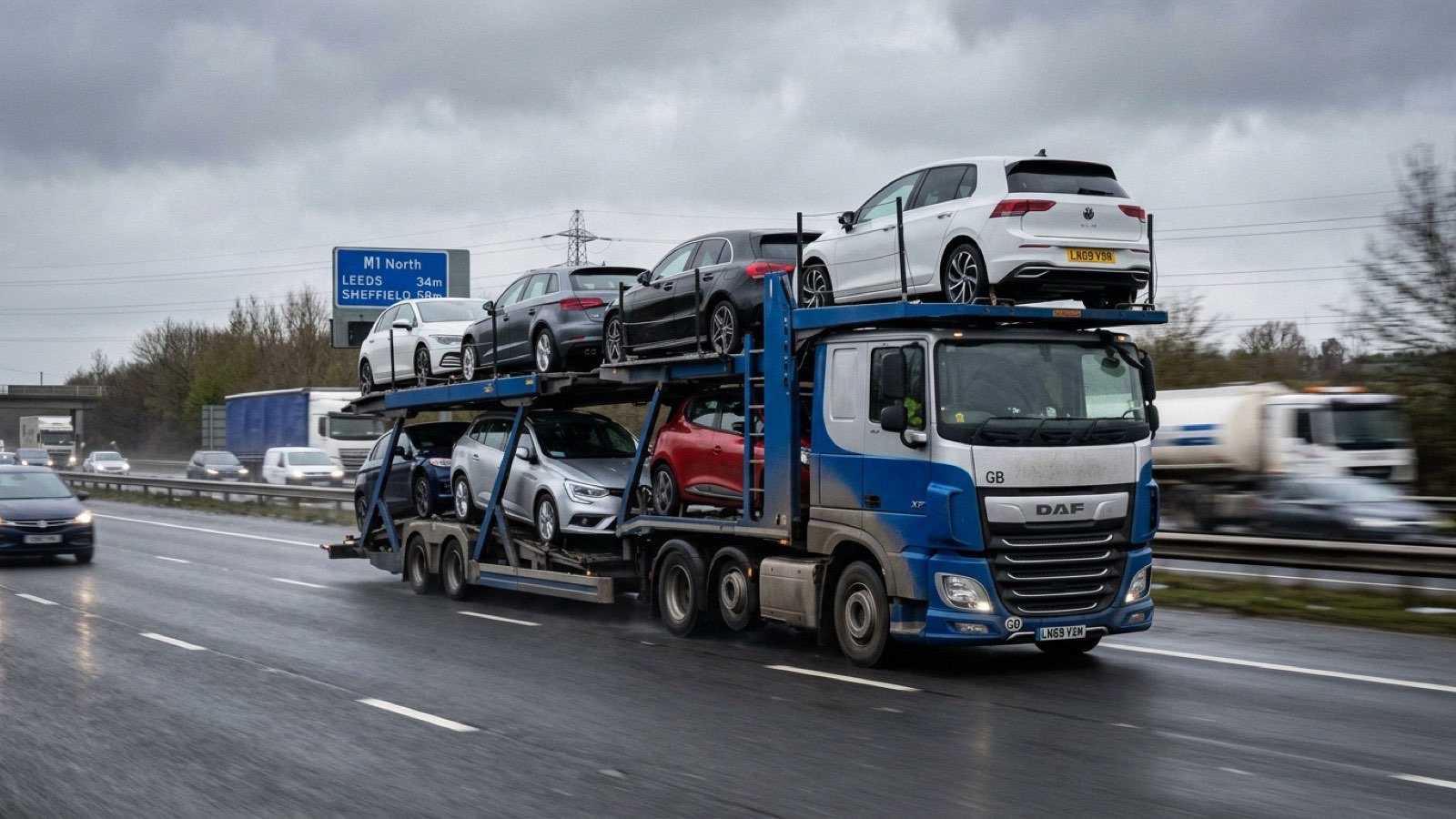
DVLA doesn't put a plain 'imported: yes' flag on most vehicles. The one official label it does use, a Q registration plate, is reserved for vehicles whose age or identity is in doubt, which in practice usually means a damaged or rebuilt import rather than an ordinary one. A straightforward import that passes vehicle approval gets a normal age-related plate instead, so the real signals sit in the paperwork trail and the vehicle's own record, not in the number plate.
DVLA doesn't put a plain "imported: yes" flag on most vehicles. The one official label it does use, a Q registration plate, is reserved for vehicles whose age or identity is in doubt, which in practice usually means a damaged or rebuilt import rather than an ordinary one. A straightforward import that clears vehicle approval gets a normal age-related plate instead, so the signals worth checking sit in the paperwork trail and the vehicle's own record, not in the number plate itself.
Applies to: Great Britain (DVLA vehicle registration) Source: GOV.UK (DVLA and DVSA) Checked: August 2026 Main exception: a Q plate signals doubt about age or identity, not import as such. Most legally imported cars that arrive undamaged and go through ordinary approval carry a standard registration with no special marking at all.
1. The one label DVLA actually uses, and why most imports don't get it
GOV.UK is direct about what a Q plate means: "DVLA issues 'Q' registration numbers to vehicles whose age or identity is in doubt." Getting one invalidates any earlier registration number, which can't be displayed again. In practice, DVLA reaches for a Q plate specifically for damaged or salvaged imports: it may assign a new VIN, place a marker on the V5C noting alterations or the use of different parts, and require Individual Vehicle Approval before the car goes on the road. A car that arrived undamaged and went through the ordinary route keeps an age-related plate that looks like any other. So a Q plate is a strong signal on its own, but its absence tells you nothing either way.
2. The paperwork trail every legal import leaves behind
Anyone importing a vehicle permanently has to tell HMRC within 14 days of arrival, settle any VAT and customs duty owed, get vehicle approval showing the car meets UK safety and environmental standards, and then register it with DVLA, which charges a £55 registration fee and can take up to six weeks to issue the V5C. GOV.UK warns that "you can be prosecuted if you use your vehicle on a public road before you complete these steps," aside from driving to a pre-booked MOT or approval test. A car that's been through this properly has a NOVA reference from HMRC, an approval certificate, and eventually a V5C in the current keeper's name. Ask to see them. A seller who says it's "all sorted" without being able to produce any of the three is asking you to take the paperwork trail on trust.
3. Left-hand drive as a visible clue
For a vehicle already registered in an EU country, DVLA's approval route runs through a European Certificate of Conformity from the manufacturer. If that car is left-hand drive, it also needs a separate GB conversion IVA certificate, a specific £100 test, before DVLA will register it. A left-hand-drive car on UK plates has almost certainly gone through that extra step, so it's worth asking to see that certificate by name, rather than accepting a general "it's approved" answer.
4. "Seriously damaged" imports: a category DVLA won't register at all
GOV.UK defines this plainly: "Serious damage means the vehicle cannot be repaired," and a foreign registration document may describe it as a statutory write-off, scrapped, or non-repairable. The consequence is blunt: "If your vehicle is classed as 'seriously damaged' you will not be able to register it in the UK," and there's no refund on VAT, duty, or approval fees already paid if that happens. Anyone importing a car has to check this with the foreign registration authority before shipping it, which means a car that made it onto a UK plate has cleared that bar on paper. Whether that paper trail actually exists for the car you're looking at is worth asking about directly.
5. What the vehicle's own MOT record can and can't tell you
DVSA's free MOT history checker shows a manufacture date and separate registration and first-used dates, plus every test recorded since 2005 for cars. DVSA's own published field descriptions for those two registration-related dates are thin: "the date the vehicle was registered" and "the date the vehicle was first registered," without spelling out how that's set for a car that started life abroad. Treat a manufacture date that sits years ahead of the earliest MOT test on record as a reason to ask a question, not as proof of anything by itself. A car under three years old naturally has no MOT history yet, which is a separate, unrelated reason for a thin record and not an import signal.
What this means for the buyer
Don't hunt for a missing "imported" label that mostly doesn't exist. Look instead for a Q plate specifically, which is rare and means DVLA doubted the car's age or identity; for missing NOVA, approval, or V5C paperwork on a car the seller admits came from abroad; for a left-hand-drive car without its GB conversion IVA certificate; and for a wide, unexplained gap between the manufacture date and the start of the MOT record. Ask to see the actual documents rather than a description of them. Our country-neutral guide to buying a car across borders covers the wider fraud pattern that shows up in cross-border sales generally, beyond what's specific to the UK.
A Plateop report for a UK registration pulls DVSA's MOT test and mileage history: pass or fail results, the recorded mileage at each test, and any outstanding manufacturer recall. It doesn't check a car's import paperwork, Q-plate or approval status, or its history before UK registration, because DVSA's MOT record doesn't hold any of that. Check any car before you buy at plateop.com.
Sources
- GOV.UK — 'Q' registration numbers
- GOV.UK — Importing vehicles into the UK (overview)
- GOV.UK — Registering an imported vehicle
- GOV.UK — Getting vehicle approval
- GOV.UK — Importing a damaged or salvaged vehicle
- GOV.UK — Check the MOT history of a vehicle
- DVSA — MOT History API, bulk file format (field definitions)